Key Takeaways
- The IRS is continuing its move away from paper tax refund checks, making electronic refunds the default.
- If direct deposit information isn’t provided, the IRS may issue a notice requesting banking details instead of automatically mailing a check.
- Paper checks may still be issued in limited situations, but they are no longer the default and will become less common over time.
- These changes do not affect how tax returns are filed, only how refunds and payments are delivered.
- Most dental practices already operate electronically, but family members or employees who rely on paper checks may experience delays if they aren’t prepared.
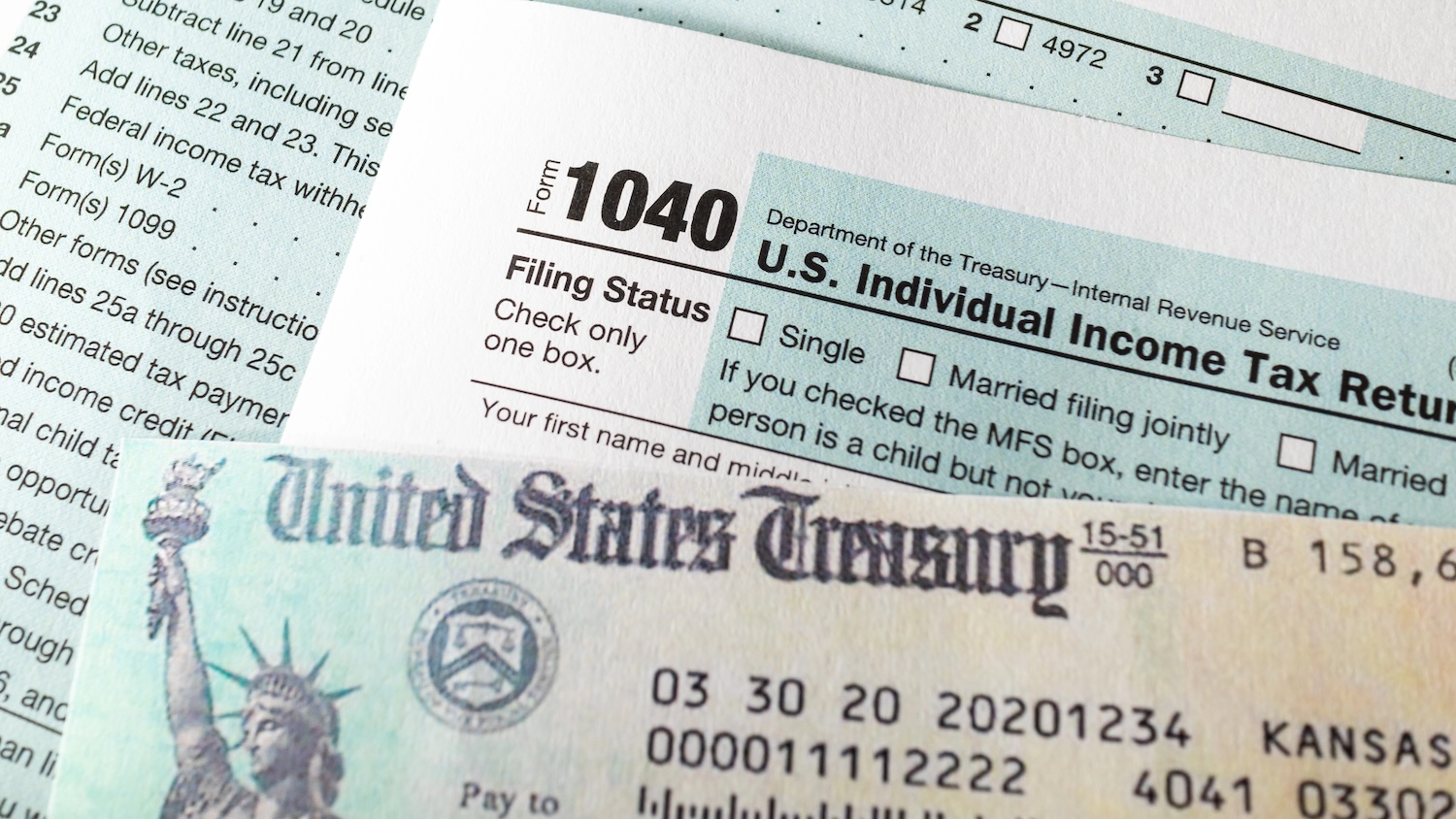
Back in September, we wrote a blog post outlining the IRS’s plan to phase out paper tax refund checks, a shift that moves the default toward electronic refunds and, over time, electronic payments. In that earlier post, we focused on the big-picture considerations: why the IRS is making this change, the anticipated timeline, and what taxpayers should expect as the transition unfolds.
Recently, the IRS released additional guidance that fills in many of the practical details. Rather than revisiting what is changing, this update addresses the more common follow-up questions we’ve been hearing, namely, how the process actually works and what happens if banking information is not provided.
For most dentists and practice owners, this won’t feel disruptive. You likely already file electronically, receive refunds via direct deposit, and make payments online. However, these changes are still important, especially if you assist family members, employees, or others who continue to rely on paper checks.
What’s New in the Latest IRS Guidance
What if direct deposit information isn’t included on the return?
If a taxpayer files a return without providing direct deposit details, the IRS will still process the return. However, instead of automatically issuing a paper check, the IRS may send a CP53E notice requesting updated banking information. The taxpayer generally has 30 days to respond.
It’s important to note that the IRS will only communicate this request through an official letter mailed to the taxpayer’s last known address, never by email, text message, or phone call.
This additional step can delay refunds and cause confusion for taxpayers who are expecting a check to arrive in the mail. Including accurate direct deposit information upfront remains the most efficient way to avoid delays.
Will paper checks still be an option?
Yes, but only in limited circumstances. The IRS acknowledges that some taxpayers do not have access to bank accounts or electronic payment tools. In those cases, alternative electronic methods may be used, and paper checks may still be issued as a last resort. That said, paper checks will no longer be the default, and their availability is expected to continue narrowing over time.
Does this change how tax returns are filed?
No. There are no new forms and no changes to the filing process itself. This guidance affects how refunds and payments are delivered after a return is processed, not how the return is prepared or submitted.
Can taxpayers still pay the IRS by check?
For now, yes. Paper checks and money orders are still accepted. However, the IRS continues to encourage electronic payment options such as Direct Pay, EFTPS, and debit or credit card payments. The long-term direction is clearly toward fully electronic transactions.
Will refunds take longer because of this?
Generally, no. electronic refunds remain the fastest and most secure option. Delays primarily happen when a taxpayer expects a paper check that is no longer automatically issued.
Why This Matters, Even If Your Practice Is Already Digital
Most dental practices already operate in a fully electronic environment. However, many people around you, particularly elderly relatives, retirees, or individuals who are uncomfortable with electronic banking, may not be prepared for this transition.
Some still expect a refund check to arrive in the mailbox. Others hesitate to provide banking information due to security concerns. Making them aware of these changes now can help them:
- Avoid delayed or missing refunds
- Understand why a paper check may no longer arrive
- Set up direct deposit or alternative electronic options before filing
For taxpayers who rely on timely refunds, this guidance is especially important.
What to Do Now
For dentists and practice owners, the action steps are straightforward:
- Keep using electronic filing, refund, and payment methods
- Verify banking information each year
- Share this IRS update with family members or employees who still rely on paper checks
And as always, if questions come up, whether about refunds, electronic payment options, or how these changes fit into your broader tax planning, we’re here to help you navigate the details with confidence.
 Listen Now!