Key Takeaways
- Dental practice design is increasingly focused on patient comfort, anxiety reduction, and overall experience, not just clinical efficiency.
- Layout and square footage matter, but flexibility, flow, and shape of the space often matter more than size alone.
- Lease terms and real estate decisions can significantly impact a practice’s financial health and long-term flexibility.
- A practice’s physical space plays a meaningful role in resale value and buyer perception.
- Thoughtful design and real estate planning support patient retention, staff experience, and future growth.
In this episode of Beyond Bitewings, Ash sits down with Mark Broson of Resource Commercial Advisors to explore how dental practice real estate and design trends have evolved, and what dentists should think about before signing a lease or building out a new space. While Mark shares insight from his work as a medically focused commercial real estate broker, the conversation centers on one core theme: today’s dental practices are being designed just as much for patient comfort and long-term value as they are for clinical efficiency.
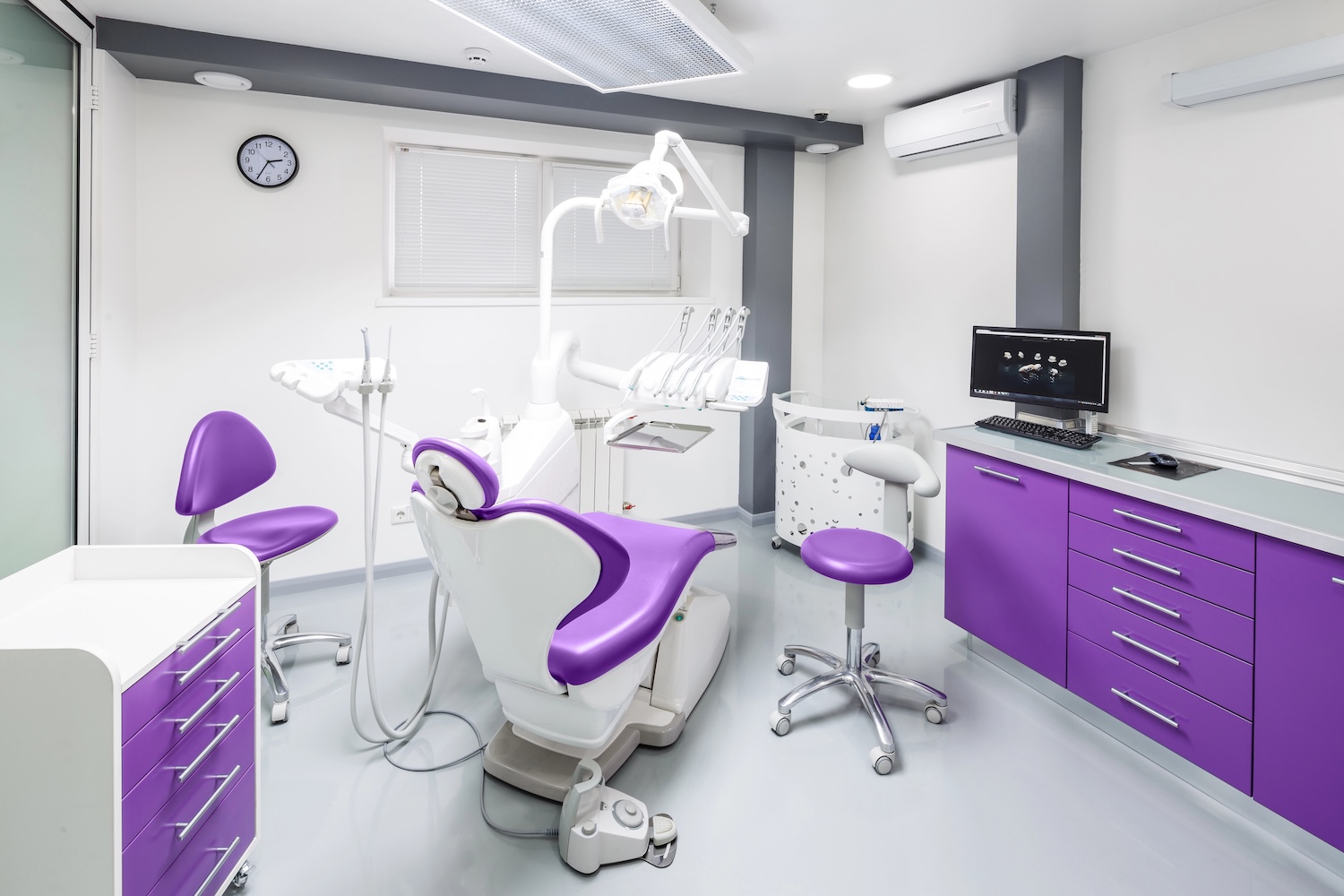
One of the most noticeable shifts Mark highlights is the move away from sterile, medical-feeling offices toward environments that reduce anxiety and feel welcoming from the moment a patient walks in. Dentists are increasingly investing in soft lighting, natural materials, calming scents, and spa-like layouts that help patients feel at ease. These design choices aren’t just cosmetic; they shape the entire patient experience and can influence retention, referrals, and patients’ perception of the quality of care.
The discussion also dives into practical space planning considerations. While a large, concierge-style practice with multiple specialists under one roof may work for some, Mark explains that most dental offices today typically range from 2,000 to 3,500 square feet. A common planning guideline is approximately 400 square feet per operatory, but layout is just as important as size. Square-shaped spaces often offer more flexibility than long, narrow layouts, allowing room for consult areas, staff break rooms, and patient lounges without sacrificing efficiency.
Beyond design, Mark emphasizes the importance of thinking strategically about leasing versus owning. Leasing often makes more sense for practices focused on growth and flexibility, while ownership can work well for dentists planning long-term stability or family succession. Regardless of which path a dentist chooses, lease terms matter. Clauses such as rights of first refusal, tenant improvement allowances, and protections against forced relocation or demolition can have significant financial consequences if overlooked.
Another critical insight from the episode is how a practice’s physical space impacts its resale value. According to Mark, roughly one-third of a practice’s value is tied to aesthetics and real estate. Modern, well-maintained spaces are far more attractive to buyers than outdated offices, even when patient volume and clinical reputation are strong. In many cases, dentists nearing lease renewal can negotiate landlord-funded improvements that refresh their space without major out-of-pocket costs.
The episode closes with a clear message: dental real estate decisions are too important to navigate alone. From site selection and buildout to lease negotiations and long-term planning, having professionals who understand the dental industry can protect your investment and support your practice’s future. As Mark puts it, dentists deserve to be known for their work in the chair, not for avoidable real estate mistakes behind the scenes.
If you’re considering a new space, a renovation, or a lease renewal, this episode offers practical insight worth hearing, whether you’re early in your career or planning your next chapter.
 Listen Now!