Key Takeaways
- Many tax myths come from outdated rules or misinformation and can lead to missed deductions or IRS issues.
- All income, including small amounts from side gigs, must be reported unless specifically exempted by the IRS.
- Cash payments, home office rules, and deductions depend on documentation, not assumptions based on others’ experiences.
- Paying contractors in cash still requires issuing 1099s when thresholds are met.
- Effective tax planning should be done year-round, not just at filing time.
Tax myths spread fast. Some come from outdated rules, others from social media, and a few from misunderstandings that have lingered for decades. No matter their origin, believing them can lead to missed deductions, IRS notices, or poor financial decisions.
Below are some of the most common tax myths we hear, along with where they came from and what’s actually true.
Myth #1: “If I get audited, it must mean I did something wrong.”
Reality: Audits don’t always signal a mistake. In fact, many audits happen because a return was randomly selected, flagged by software, or included deductions outside normal statistical patterns. Some are simple correspondence audits, requiring only documentation.
Why this myth exists: Decades ago, audits were more frequent and more rigorous. Many people also assume the IRS is only looking for “wrongdoing,” when in reality, the agency is verifying data.
Best Practice: Keep organized records for at least seven years, and don’t fear legitimate deductions simply because you might be questioned about them later.
Myth #2: “If I don’t make much money from a side gig, I don’t have to report it.”
Reality: All income is taxable unless the IRS specifically exempts it. That includes money earned from gig work, reselling items online, babysitting, lawn care, hobby income, and freelance work, whether you receive a 1099 or not. There is no minimum dollar amount that makes side-gig income “tax-free” or exempt from reporting.
However, one important threshold does apply: If your net self-employment earnings are $400 or more, the IRS requires you to file a tax return because you owe self-employment tax. But even if your net profit is below $400, you may still be required to file, depending on your total income, filing status, or other tax circumstances.
Why this myth exists: For years, people assumed that “no 1099 = no reporting,” or believed small earnings wouldn’t matter. But the tax code has always required income to be reported, regardless of documentation.
Best Practice: Track every dollar you earn from side work. If it hits your Venmo, PayPal, Cash App, bank account, or even your pocket in cash, assume it’s taxable and report it correctly.
Myth #3: “Cash-based businesses don’t need to worry as much because cash isn’t traceable.”
Reality: The IRS pays close attention to cash-heavy businesses. Restaurants, salons, small retailers, repair shops, and contractors are all areas where the IRS uses statistical models to estimate expected income.
Why this myth exists: Before electronic banking became widespread, unreported cash was easier to hide. Not anymore.
Best Practice: Use a point-of-sale system, keep detailed logs, and deposit cash regularly. Clean books protect you far more than cutting corners.
Myth #4: “My friend wrote it off, so I can too.”
Reality: Deductions depend on your specific situation, not what someone else did. A truck may be deductible for one person and completely nondeductible for another. Same with cell phones, home office space, and vehicle mileage.
Why this myth exists: People often misunderstand why a deduction applied to them or forget important details such as business purpose, percentage of use, documentation, etc.
Best Practice: When in doubt, ask us before assuming something is deductible. Advice from a friend, coworker, or social media influencer can be dangerous.
Myth #5: “If I pay someone in cash, I don’t need to issue them a 1099.”
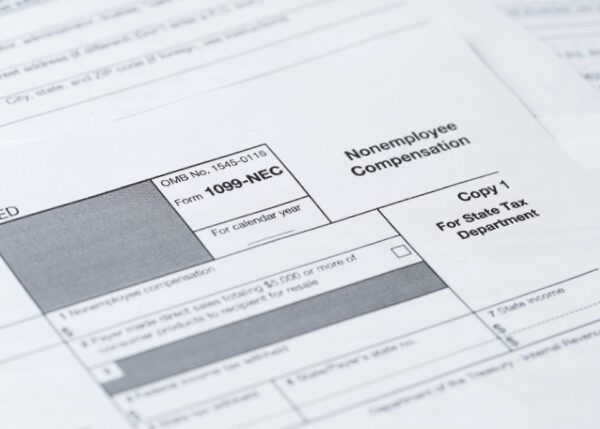
Reality: The method of payment does not change reporting rules. If you pay a contractor $600 or more in a year, whether by cash, check, Zelle, or Venmo, you generally must issue a 1099-NEC. In most cases, if you get audited and didn’t issue the 1099 to the vendor, the IRS will disallow any deduction taken for the payment.
Why this myth exists: This confusion dates back to when paper checks were the norm and digital payments didn’t exist. Many also assume the IRS only tracks electronic payments.
Best Practice: Collect W-9s before paying vendors and contractors. You’ll save yourself a headache at tax time.
Myth #6: “I can claim a home office deduction only if I have a separate room with a door.”
Reality: The IRS requires exclusivity and regular use, not a physical door. A desk in a corner may qualify if it is used exclusively for business.
Why this myth exists: Home office audits were common decades ago, causing long-term fear. Many taxpayers also confuse the IRS rules with workplace policies.
Best Practice: If an area of your home is used exclusively and regularly for business, document it and discuss the deduction with your tax professional.
Myth #7: “Tax planning only matters at the end of the year.”
Reality: Many tax-saving opportunities require planning months in advance. Retirement contributions, entity structure decisions, depreciation timing, estimated payments, and charitable strategies all work best with planning throughout the year.
Why this myth exists: For years, tax preparation and tax planning were treated as the same thing, but they aren’t. By the time you’re filing a return, most opportunities are gone.
Best Practice: Schedule at least one mid-year tax review with your accountant. A little planning can save significantly more than last-minute scrambling.
Don’t Be Fooled
Tax myths may be widespread, but they don’t have to derail your finances. When in doubt, ask a qualified tax professional, like us, especially before making decisions based on advice from family, friends, or social media.
If you have questions about any of these myths or want help planning for 2025 and beyond, our team is here to help.
 Listen Now!